By Bahram Hassanpourfard, Epidemiologist
Weekly briefing · 18 to 24 October 2026
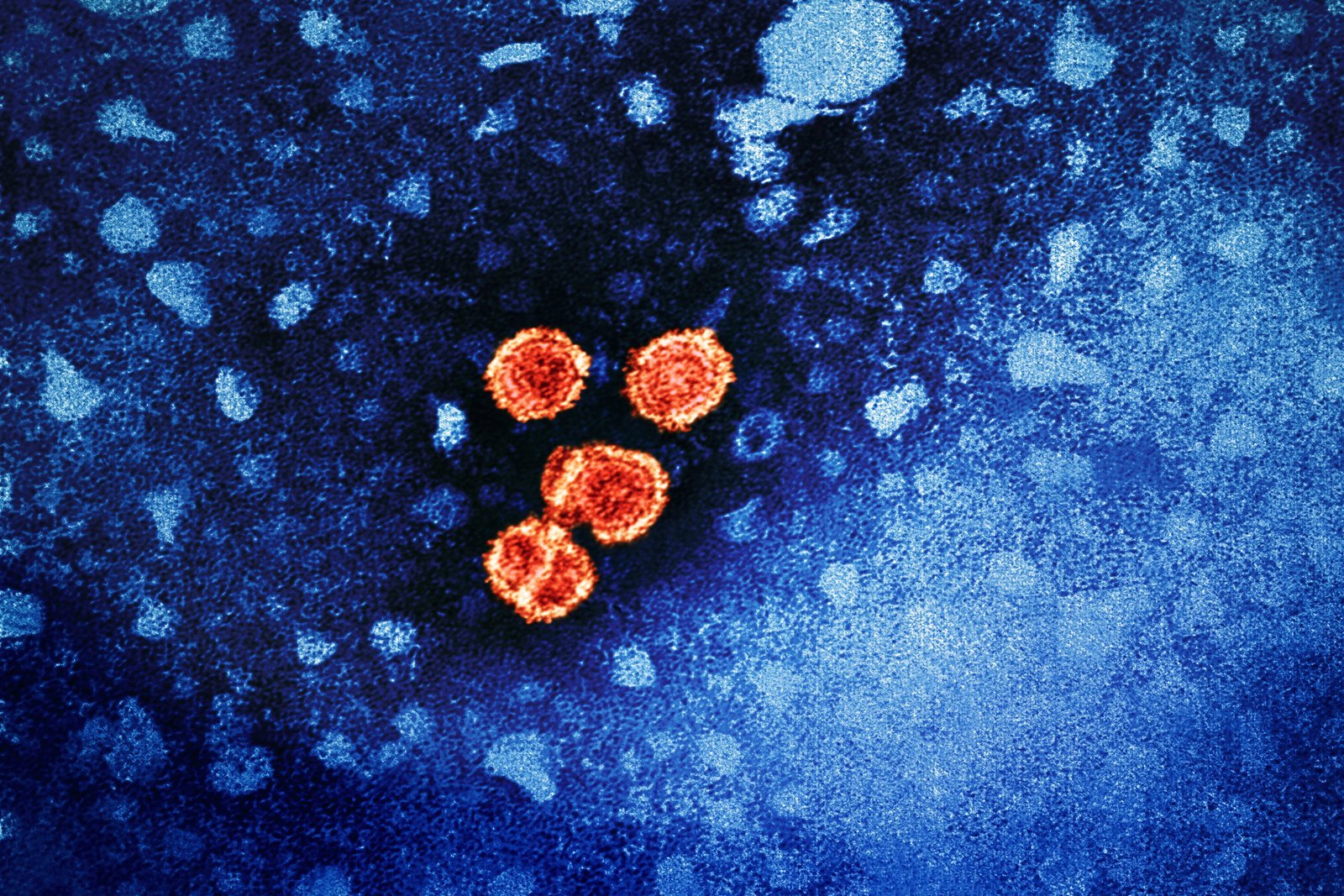
The FDA approved bepirovirsen (Hibsago), an antisense injection from GSK and Ionis, for chronic hepatitis B infection in certain adults without cirrhosis, given alongside existing antiviral therapy. Described as the first of its kind, it gave a functional cure to about one in five treated patients in the phase 3 B-Well programme, against none on placebo. It was approved on 20 October, a few days before its deadline, and is tipped to reach blockbuster status.
GSK also won accelerated approval for its immunotherapy Jemperli in locally advanced rectal cancer with MSI high or dMMR tumours, its first approval in rectal cancer before surgery, backed by a high complete response rate. In the main trial many patients avoided chemotherapy, radiation and surgery, but the FDA said longer follow-up is needed.
Dealmaking led the rest of the week’s coverage. Merck KGaA agreed to buy Silence Therapeutics, based in the UK, for $1.3bn. It gains divesiran, an siRNA drug that succeeded in phase 2 in polycythaemia vera and could challenge a recently approved Takeda product.
EQT will take the Dutch diagnostics and tools group Qiagen private in a deal valued at €10.8bn including debt. Abbott plans to spin off its nutrition business, the focus of baby formula lawsuits, as a listed company with about $8.5bn in annual sales.
Moderna and Merck released phase 3 melanoma data for their cancer vaccine early after a leak. With Keytruda it cut the risk of relapse or death by 42%, which some judged in line with expectations and others short of investors’ hopes.
US policy turned to pricing and digital products. The Institute for Clinical and Economic Review found that the median net launch price of new drugs, adjusted for inflation, rose 35% between 2022 and 2025 to about $257,000 a year, and that only about one in three drugs it had reviewed were priced at or below its value benchmarks. The FDA finalised guidance on labelling apps used with prescription medicines and on when their content counts as promotion.
Quest Diagnostics disclosed a cyber breach likely to have exposed patient records, and CSL hired Deborah Waterhouse, chief executive of GSK’s ViiV Healthcare, to lead it through a difficult period.
In the UK, the MHRA withdrew the marketing authorisation for the IXCHIQ chikungunya vaccine after the Commission on Human Medicines advised that the balance of its benefits and risks was no longer favourable. The agency is also consulting on amending the Human Medicines Regulations 2012 so that schools can hold adrenaline nasal sprays for pupils at risk of anaphylaxis.
In the US, the FDA approved the first once weekly insulin for children with type 2 diabetes, Novo Nordisk’s Awiqli (insulin icodec), for those aged 10 and over. On 16 October it had also granted traditional approval for pembrolizumab, including its subcutaneous form with berahyaluronidase alfa, in previously treated unresectable or metastatic solid tumours with a high tumour mutational burden. The updated indication raises the threshold from 10 to 13 mutations per megabase.